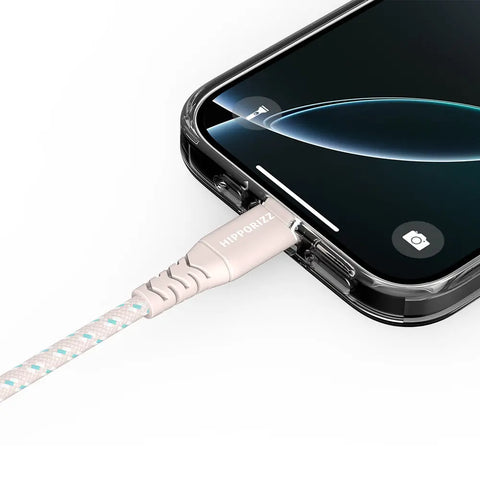
【2026 GaN Fast Charger Recommendations: iPhone 17 and MacBook Pro Essential Charger Buying Guide】
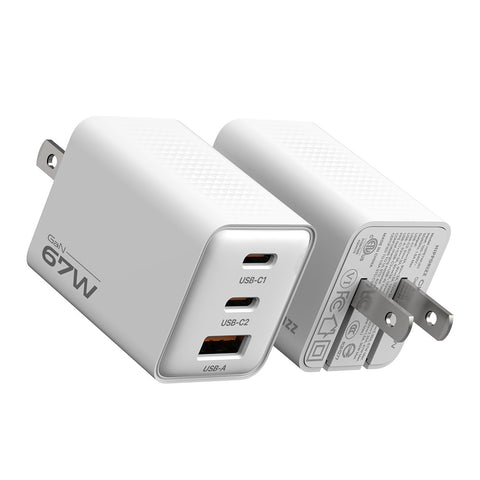
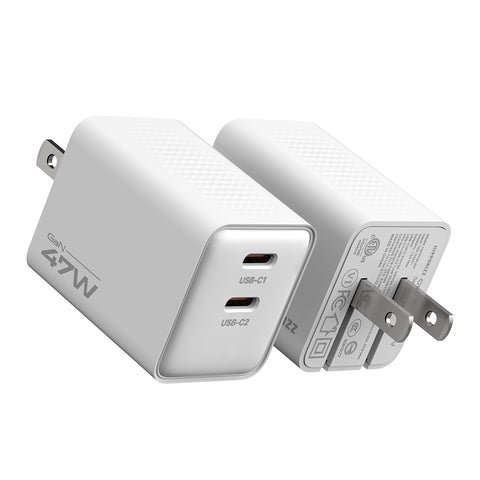
As mobile devices demand higher performance and longer battery life, Hipporizz has observed that gallium nitride (GaN) fast chargers, known for their "small size, high power, and low heat," have become mainstream. This article will delve into the differences between GaN technology and traditional silicon chargers, and provide precise wattage recommendations for iPhone 17, iPad Pro (M4), and various MacBook models.
As experts in power accessories, Hipporizz is committed to developing products that comply with the latest charging protocols, such as the ZENO Qi2.2 3-in-1 Charging Stand, which supports 25W wireless fast charging. Through this guide, you will learn how to choose a GaN fast charger with multiple ports and comprehensive overheating protection, allowing you to carry just one charger for all your phone, tablet, and laptop power needs when you're out and about.
Why have GaN fast chargers become the mainstream?
As smartphones and laptops continue to improve in performance, traditional 5W "cube" chargers can no longer meet daily demands. The advent of gallium nitride (GaN) technology allows chargers to deliver higher power and more stable output in a smaller form factor.
Three major advantages of GaN fast chargers:
-
Compact size: 30–50% smaller than traditional silicon chargers for the same wattage.
-
High efficiency: Effectively reduces energy loss, resulting in faster charging and less heat generation.
-
Multi-functional: One fast charger can simultaneously support phones, tablets, and laptops, reducing the hassle of carrying multiple chargers.
GaN Fast Chargers vs. Traditional Chargers
| Feature | Traditional Silicon Charger | GaN Charger |
|---|---|---|
| Size/Weight | Bulky, heavier | Compact and lightweight, portable |
| Conversion Efficiency | Approx. 85% | Up to 90–95% |
| Heat Generation | Prone to overheating | Lower heat generation |
| Output Power | Mostly 5W–20W | Up to 30W–140W |
| Device Compatibility | Mainly phones | Phones, tablets, laptops |
| Safety Protection | Basic overcharge protection | More comprehensive temperature control, short-circuit, and voltage protection |
Optimal Charging Power for Each Device
| Device Type | Common Model Examples | Recommended Wattage Range |
|---|---|---|
| Smartphone | iPhone 15–17 Series, flagship Android phones | 20W–30W |
| Large Smartphone / Pro Series | iPhone Pro / Pro Max, flagship Android Plus/Ultra | 30W–45W |
| Tablet | iPad, Android tablets | 30W–45W |
| High-end Tablet / Pro Series | iPad Pro, high-end Galaxy Tab | 45W–65W |
| Thin & Light Laptop | MacBook Air, Ultrabook series | 45W–65W |
| Mainstream Laptop | 13–15 inch laptops | 65W–100W |
| High-Performance Laptop / Workstation | MacBook Pro, workstation-grade laptops | 100W–140W |
If you mainly use a phone, 20–30W is sufficient. If you want to cover both tablets and laptops, we recommend a 65W or higher multi-port fast charger.
4 Key Points for Choosing a GaN Fast Charger
-
Power and Protocol Support
-
First, confirm support for PD (Power Delivery) and QC (Quick Charge) protocols to ensure fast charging for various devices.
-
-
Safety Protection Mechanisms
-
Must include overcurrent protection, overheating protection, and automatic power-off for peace of mind during long-term use.
-
-
Multi-Port Output Design
-
Allows you to charge your phone, tablet, and earphones simultaneously with one charger when out, reducing the number of chargers to carry.
-
-
Portability
-
GaN fast chargers are typically small; choose one with foldable prongs or multi-country voltage support for convenient travel.
-
Who are GaN fast chargers suitable for?
-
Students: One fast charger for phone and tablet, easy to take to school.
-
Office workers: Keep one at the office and one at home for quick, uninterrupted power top-ups.
-
Business professionals: Multi-port fast charging supports phones and laptops; only need to carry one for business trips.
-
Heavy users: Gaming, multimedia, high-efficiency work; fast charging significantly saves time.
Common GaN Fast Charger Wattage Choices
| Power | Suitable Devices |
|---|---|
| 20W | iPhone, general smartphones |
| 30W | Phones, tablets |
| 45W | Tablets, high-end smartphones |
| 65W | Tablets, MacBook Air |
| 100W+ | MacBook Pro, laptops |
GaN Fast Charger FAQ
Q1: What is a GaN fast charger?
Gallium Nitride (GaN) is a new semiconductor material that, compared to traditional silicon chargers, can deliver higher power and higher conversion efficiency in a smaller size. It is therefore widely used in next-generation fast chargers.
Q2: Are GaN chargers really faster?
Yes. GaN chargers typically support higher power output, such as 30W, 65W, or even over 100W, allowing phones, tablets, or laptops to charge faster.
Q3: Will GaN fast charging damage the battery?
No. Modern fast chargers feature intelligent voltage and current control that automatically adjusts the output power according to the device's needs. As long as you use a qualified product, it will not harm the battery.
Q4: Can one GaN charger charge multiple devices?
Yes. Many GaN chargers feature a multi-port design (e.g., USB-C + USB-A) that allows simultaneous charging of phones, tablets, or laptops.
Q5: Do GaN chargers require a specific charging cable?
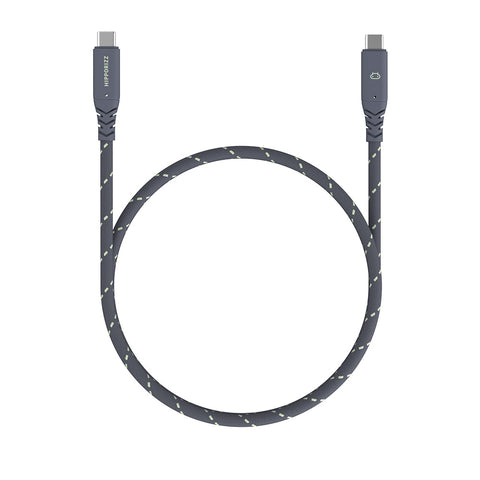
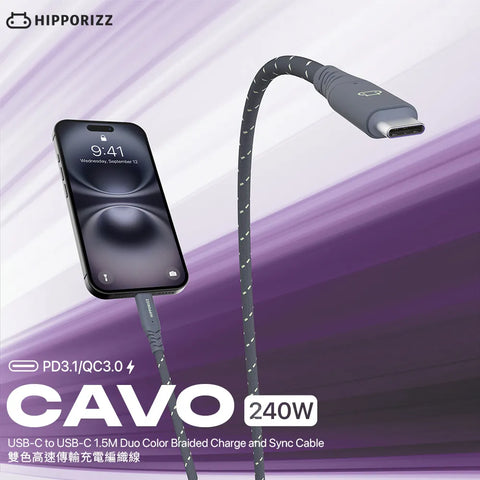
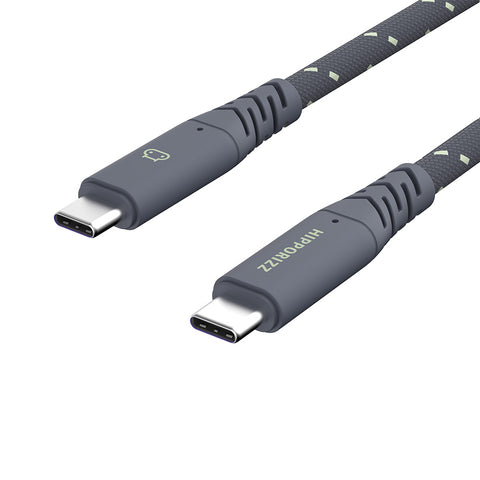
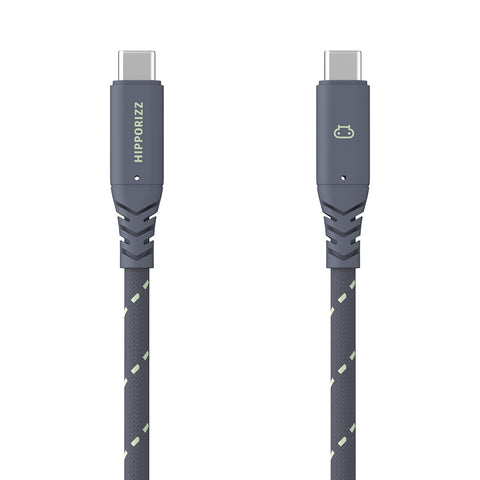
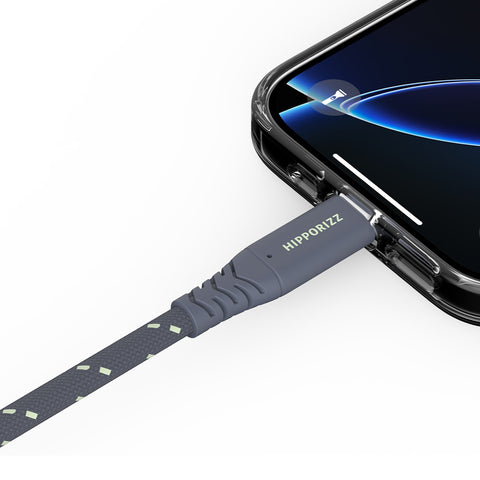
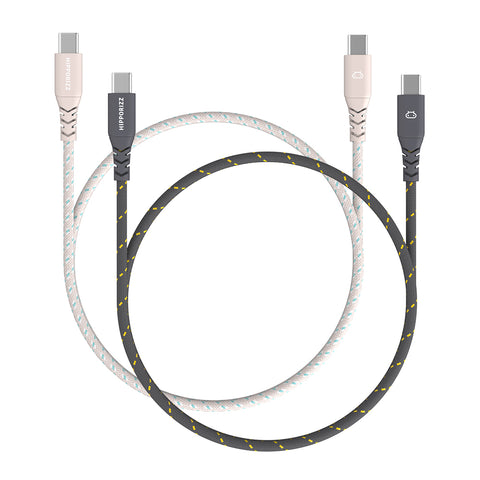
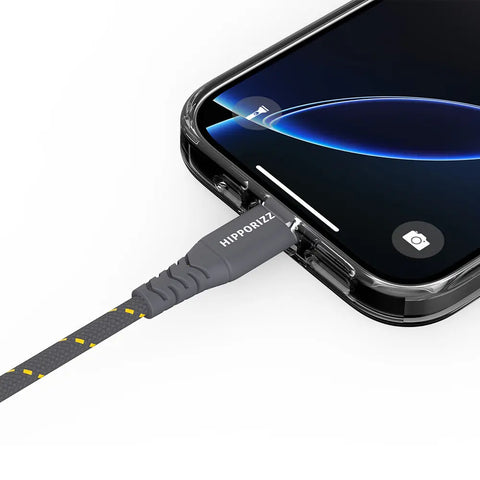
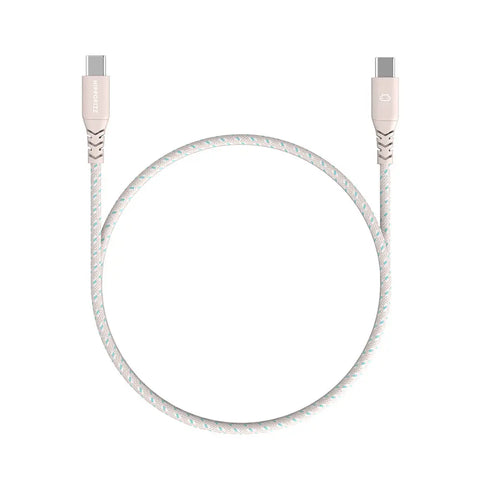
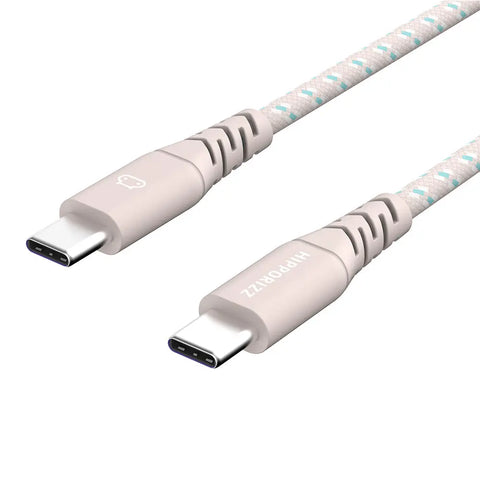
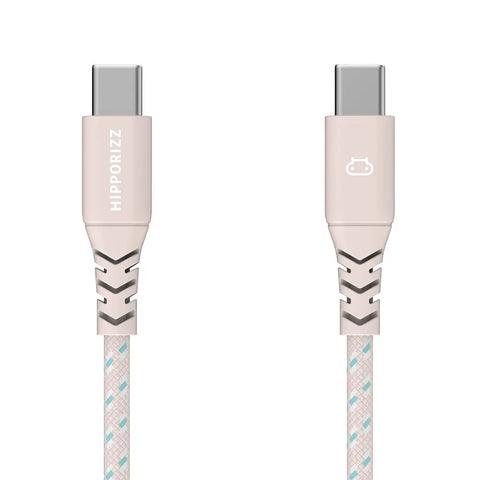
To achieve high-power fast charging, such as 65W or 100W, it is recommended to use a USB-C charging cable that supports PD protocol and high power transmission.
Q6: Can a 65W GaN charger charge a phone?
Yes. The charger will automatically adjust the output power, and the phone will only draw the power it can handle, so there's no need to worry about overcharging.
Conclusion
GaN fast chargers are not only small and fast-charging, but also support multiple devices simultaneously, making them one of the most worthwhile 3C essential accessories to buy in 2025. Whether you are a student, office worker, or business traveler, choosing a suitable GaN fast charger can significantly enhance your daily convenience.